Pakiet
Wembley Stadium
Wszystkie terminy w ramach tej serii
0 wydarzeń
Autentyczne biletyOficjalny rynek wtórnyBezpieczna płatnośćWsparcie 24/7
O wydarzeniu
Wembley Stadium is much more than an ordinary sporting venue. It is one of the most recognisable symbols of English football and an important part of the country's sporting heritage. Located in the Wembley area of London, the stadium serves as England's national stadium and hosts some of the most important sporting and entertainment events in the United Kingdom. The current venue opened in 2007, continuing a history that dates back to the first half of the twentieth century. Over the years, Wembley has become a destination for football fans, music lovers and visitors from around the world who want to experience unforgettable events at one of the world's most famous stadiums.
All About Wembley Stadium
Wembley Stadium is widely regarded as the home of English football. Located in north-west London, in the Wembley area, it is a major venue for international matches, domestic cup finals, concerts and other large-scale events. The stadium is easily accessible by public transport. Nearby transport links include the Metropolitan and Jubilee Underground lines, making it convenient to reach from different parts of London.
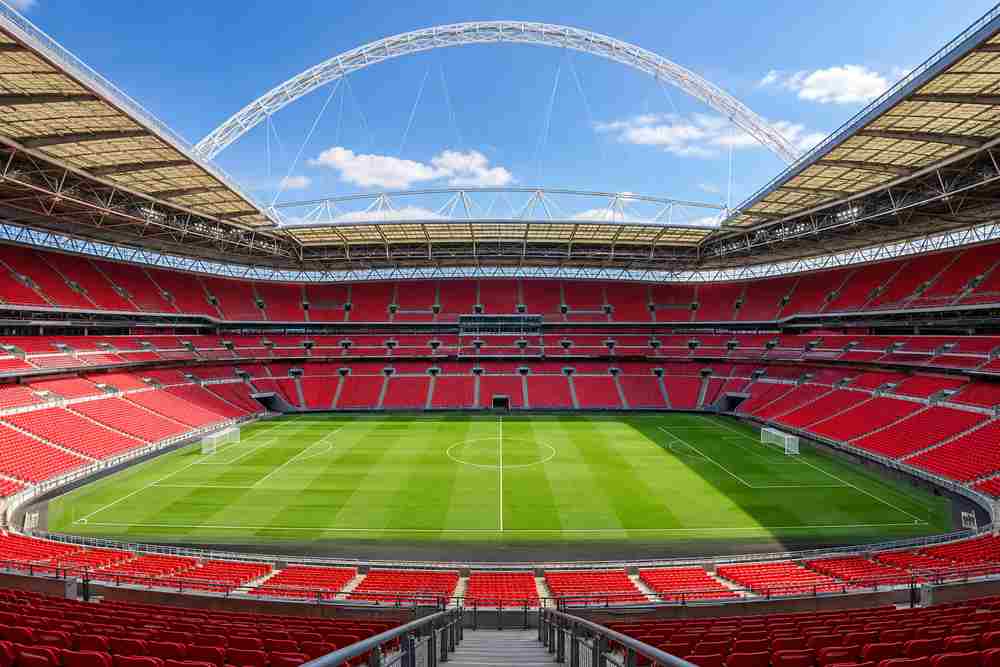
The current stadium was built on the site of the original Wembley, which was demolished in 2002–2003. Construction of the new venue began in 2003 and was completed in 2007. The project gave London a modern stadium designed to host major sporting competitions and entertainment events. The stands are divided into three tiers, with the middle tier largely dedicated to premium seating, corporate areas and hospitality facilities. This layout offers a range of viewing experiences, from standard seating for supporters to more exclusive hospitality options.
One of Wembley's most distinctive architectural features is its enormous steel arch, which rises approximately 133 metres above the stadium. It can be seen from miles away, particularly after dark, and has become one of London's most recognisable modern landmarks. The arch also serves an important structural purpose, supporting a substantial part of the stadium roof. Sections of the roof can be opened to allow natural light and air into the venue.
The new Wembley is one of Europe's largest stadiums, with a capacity of approximately 90,000 spectators. It is best known as the venue for many of England's most important international football matches. Prestigious domestic competitions are also regularly held here, including the FA Cup Final and the English League Cup Final. However, football is only part of the stadium's story. Wembley has also hosted rugby matches, American football, boxing events and concerts by some of the world's biggest music stars, including Queen, Michael Jackson and The Rolling Stones.
Wembley has also played an important role in international sporting events. During the London 2012 Olympic Games, the stadium hosted football matches, including the men's Olympic football final. Its design provides good views of the pitch from almost every section of the stands. Compared with the previous stadium, spectators sit closer to the playing surface, allowing them to feel more connected to the action and experience the atmosphere of live matches and other events more intensely.
An interesting feature associated with Wembley is the time capsule buried beneath the pitch. It contains memorabilia connected with the original stadium and its sporting history, including a piece of the old pitch, an England national team shirt and a DVD recording of the 1966 FIFA World Cup Final. This collection preserves part of the venue's heritage and connects the modern stadium with the events that helped establish its legendary reputation.
Events at Wembley Stadium
Wembley Stadium is an exceptional venue for sporting and entertainment events. It is famous around the world for its impressive architecture, rich history and extraordinary atmosphere. Located in London, the stadium has hosted many landmark occasions, bringing together athletes, performers and spectators to share moments that remain memorable long after the final whistle or the end of a concert.
Sport has always been central to Wembley's identity. The stadium has hosted historic football matches, major domestic cup finals, international fixtures and prestigious tournament games. From thrilling England performances to decisive matches that determine the winners of major competitions, Wembley regularly attracts attention from football fans around the world. Its role in Olympic football has further strengthened its place in international sporting history.
Beyond football, Wembley has become one of the leading venues for live music events. Over the years, legendary bands and internationally acclaimed artists have performed here, transforming the stadium into a vast concert stage that welcomes tens of thousands of people. Its ability to accommodate both major sporting competitions and large-scale musical performances demonstrates the venue's versatility and its importance to London's cultural life.
Every event at Wembley offers the opportunity to become part of a larger story. A cup final, an international match or a concert by a favourite artist can turn an ordinary day into an extraordinary experience shared with thousands of other spectators. The stadium's striking architecture, modern facilities and carefully designed seating arrangement all contribute to the atmosphere, making every visit distinctive.
Wembley Stadium remains a symbol of sporting excellence, live entertainment and shared cultural experiences. It attracts visitors from across the United Kingdom and abroad, many of whom travel to London specifically to attend an event at this famous venue. Whether you plan to watch a major football match, support your favourite team or see a world-famous performer live, Wembley offers the chance to experience an event in a place with an exceptional history.
Tickets for Wembley Stadium
Wembley Stadium hosts the biggest matches in English football, making it a must-visit destination for fans who want to experience the excitement of prestigious competitions in person. Major England international fixtures take place here regularly, alongside important domestic matches such as the FA Cup semi-finals and final. The stadium also hosts English football promotion play-offs, giving supporters the opportunity to watch matches that can have a huge impact on clubs and their fans.
Wembley's international reputation extends beyond domestic competitions. The stadium hosted the UEFA Champions League Finals in 2011 and 2013, welcoming fans from across Europe for two of the most important events in club football. In 2012, it also hosted the men's Olympic football final during the London Olympic Games, adding another significant sporting occasion to its history.
Football is not the only reason to visit Wembley. The stadium has also hosted American football games, boxing matches and numerous concerts featuring internationally renowned performers. This variety makes Wembley an attractive destination for people with different interests, whether they follow professional sport, enjoy the atmosphere of major concerts or simply want to attend an event at one of the world's most famous stadiums.
The stadium's carefully designed structure provides good views from almost every section. The stands are closer to the pitch than they were at the original Wembley, allowing supporters to feel more connected to the action on the field and the atmosphere throughout the venue. During concerts and other performances, the stadium's enormous space creates an impressive setting where audiences can share the excitement of seeing their favourite artists perform.
Would you like to experience the atmosphere of Wembley Stadium in person? Explore upcoming events and look for tickets on TixPost to plan your visit. Whether you are interested in a major football match, an international sporting event or a live concert, a visit to Wembley can create unforgettable memories and allow you to become part of a story that is still being written.