Bundle
Vienna New Year’s Concert
All dates in this series
0 events
Authentic ticketsOfficial resaleSecure payment24/7 Support
About the event
Vienna New Year’s Concert: History and Tradition
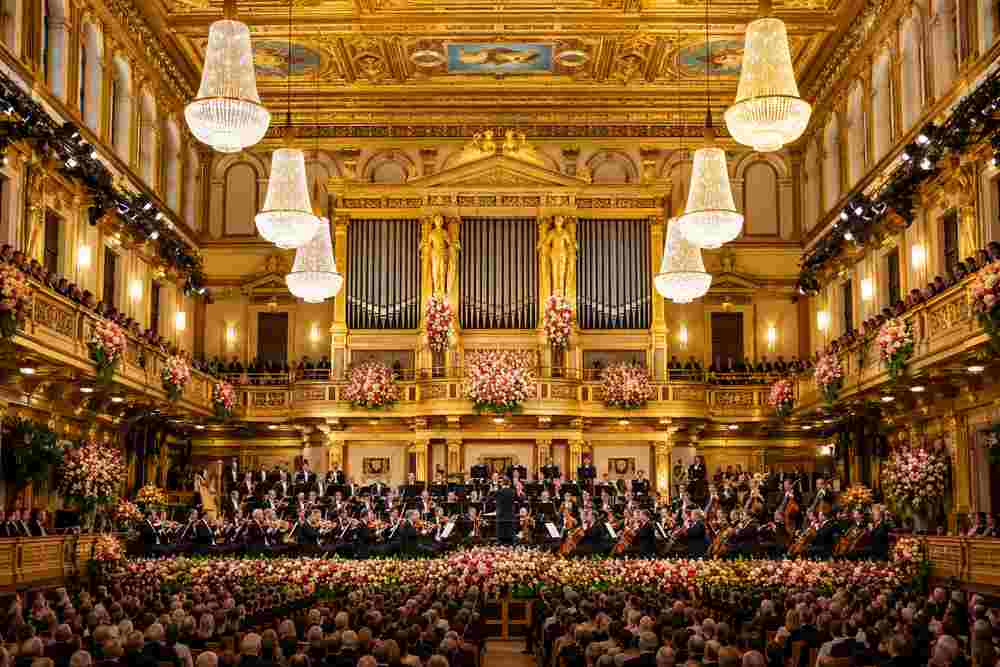
The Vienna Philharmonic’s New Year’s Concert is one of the world’s best-known classical music events. Held on 1 January at the Musikverein in Vienna, it welcomes an audience in the concert hall and reaches millions of viewers through international broadcasts.
The history of the concert
The tradition began on 31 December 1939, when the Vienna Philharmonic performed under conductor Clemens Krauss. The concert took place during the Nazi era, and its proceeds were donated to the Nazi Winter Relief organisation. This historical context is an important part of the event’s origins and should not be overlooked.
Another concert followed on 1 January 1941. After the Second World War, the tradition continued. Josef Krips conducted the concerts in 1946 and 1947, and Clemens Krauss returned to the podium in 1948.
Famous conductors
Willi Boskovsky led the New Year’s Concert from 1955 to 1979. His performances of Viennese waltzes and polkas helped shape the event’s distinctive sound. Lorin Maazel conducted from 1980 to 1986.
Since 1987, the orchestra has invited a different conductor each year. Herbert von Karajan was the first under this arrangement. The rotating conductors bring new interpretations while preserving the concert’s established character.
Music and repertoire
The programme often features works by Johann Strauss I, Johann Strauss II, Josef Strauss and other composers associated with Vienna’s musical heritage. Waltzes, polkas and marches are central to the repertoire, alongside occasional discoveries and less familiar pieces.
The programme is not limited to the Strauss family. In 2020, music by Ludwig van Beethoven was performed at the New Year’s Concert for the first time, with excerpts from his Twelve Contredanses.
A worldwide tradition
The concert is known for its elegant setting, floral decorations at the Musikverein and traditional finale. The programme usually includes the Radetzky March, accompanied by the audience’s applause under the conductor’s direction.
Broadcast internationally, the concert has become a musical symbol of the start of the year for audiences around the world. Tickets for the year-end concerts and the 1 January performance are in high demand. The Vienna Philharmonic uses an official ticket lottery, so prospective visitors should consult the orchestra’s website for current ticket information.
More than a concert, this annual event brings together musical heritage, outstanding performers and an international audience.